
Malaysia
Malaysia offers two very distinct experiences: the peninsula and Borneo (an island shared with Indonesia and Brunei). The peninsula or West Malaysia is a mix of Malay, Chinese and Indian flavors with an efficient and modern capital, Kuala Lumpur. Malaysian Borneo features some of the most interesting places in Malaysia with a wild jungle, orangutans, granite peaks and remote tribes. Combined with some beautiful islands, luxury resorts and colonials towns, Malaysia, for most visitors, presents a happy mix.
1. Mulu Caves
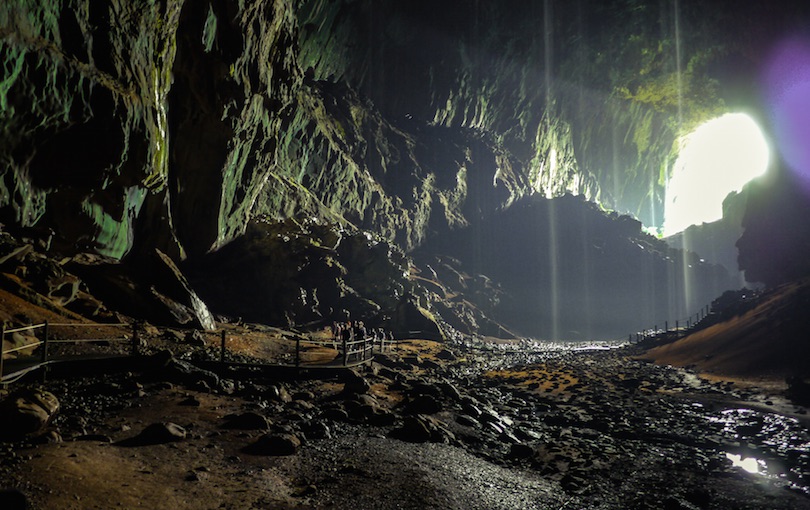
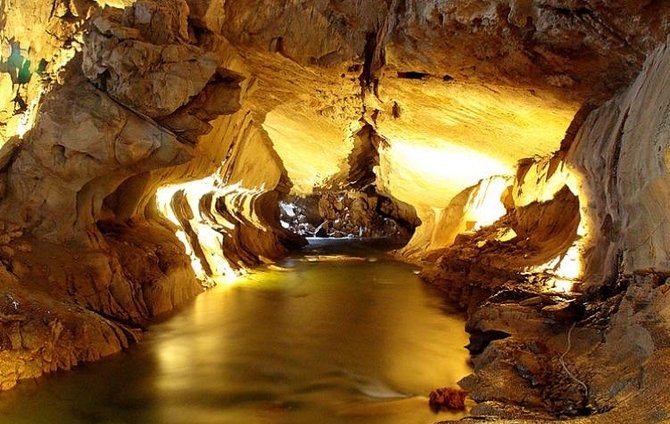
The Mulu Caves are located in the Gunung Mulu National Park in Malaysian Borneo. The park encompasses incredible caves and karst formations in a mountainous equatorial rainforest setting. The Sarawak chamber found in one of the underground caves is the largest cave chamber in the world. It has been said that the chamber is so big that it could accommodate about 40 Boeing 747s, without overlapping their wings. The enormous colony of Wrinkle-lipped bats in the nearby Deer Cave exit almost every evening in search of food in a spectacular exodus.
2. Perhentian Islands
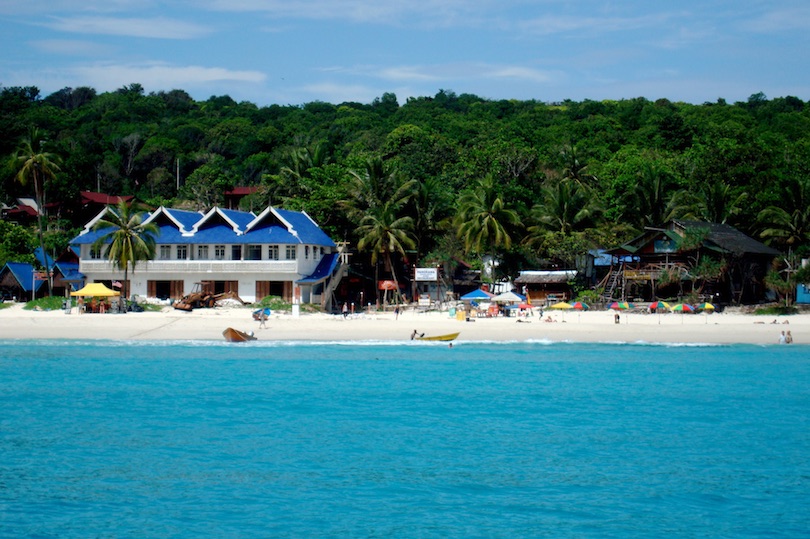
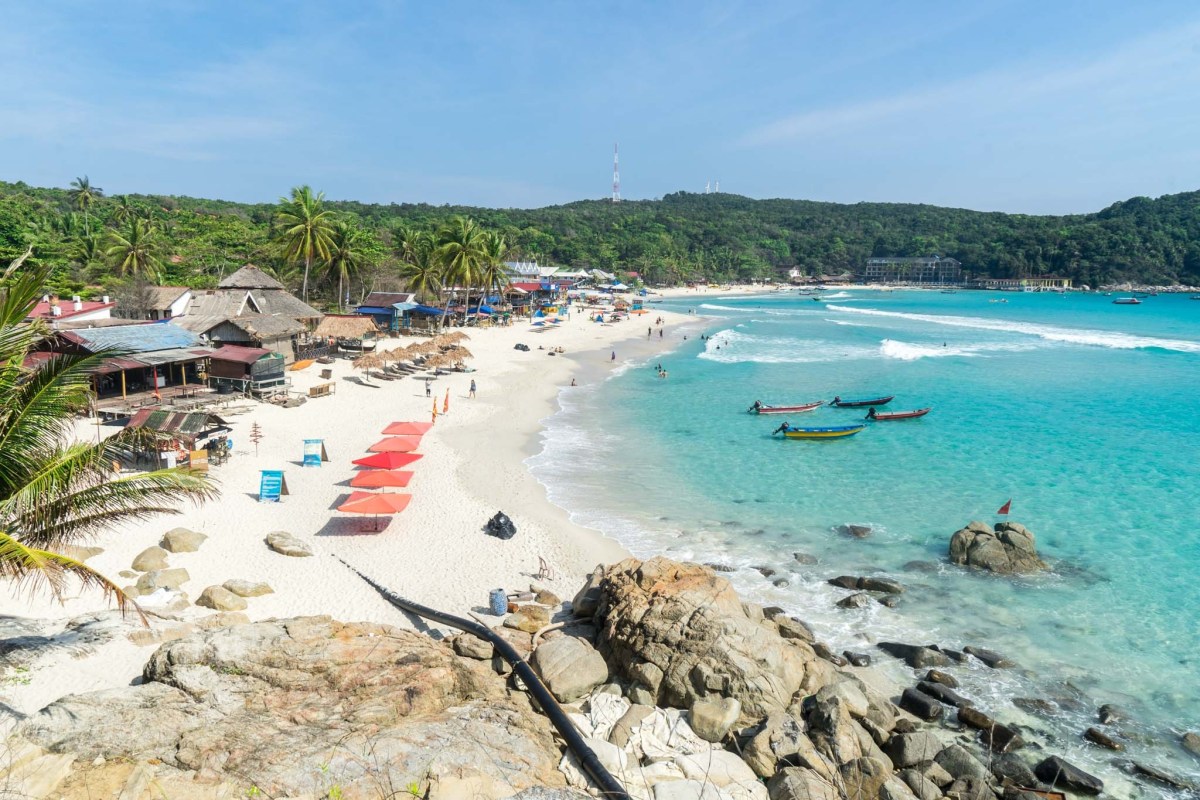
Located off the coast of northeastern Malaysia not far from the Thai border. The Perhentian Islands are the must-go place in Malaysia for budget travelers. They have some of the world’s most beautiful beaches and great diving with plenty of cheap accommodation. The two main islands are Perhentian Besar (“Big Perhentian”) and Perhentian Kecil (“Small Perhentian”). Both the islands have palm-fringed white sandy beaches and turquoise blue sea.
3. Langkawi
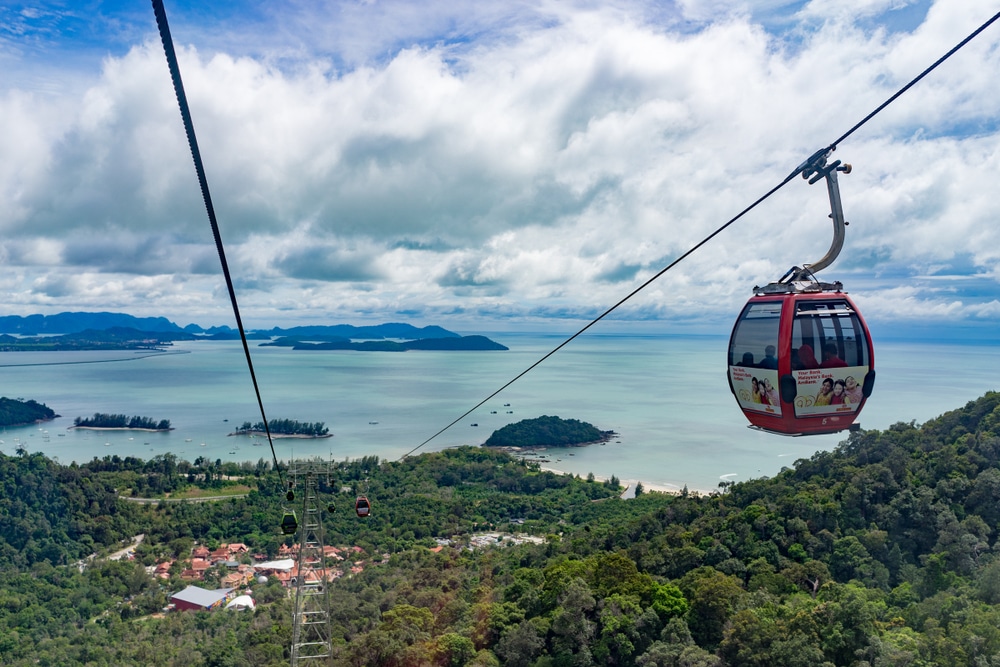
Malaysia’s best-known holiday destination, Langkawi is an archipelago of 99 islands in the Andaman Sea. The islands are a part of the state of Kedah, which is adjacent to the Thai border. By far the largest of the islands is the eponymous Pulau Langkawi with a population of about 65,000, the only other inhabited island being nearby Pulau Tuba. Fringed with long, white beaches and with an interior of jungle covered hills and craggy mountain peaks, it’s easy to see why this is Malaysia’s most heavily promoted tourist destination. The most popular beaches can be found on the west coast with a wide choice of restaurants and eateries and some of the best resorts in Langkawi..

4. Petronas Twin Towers
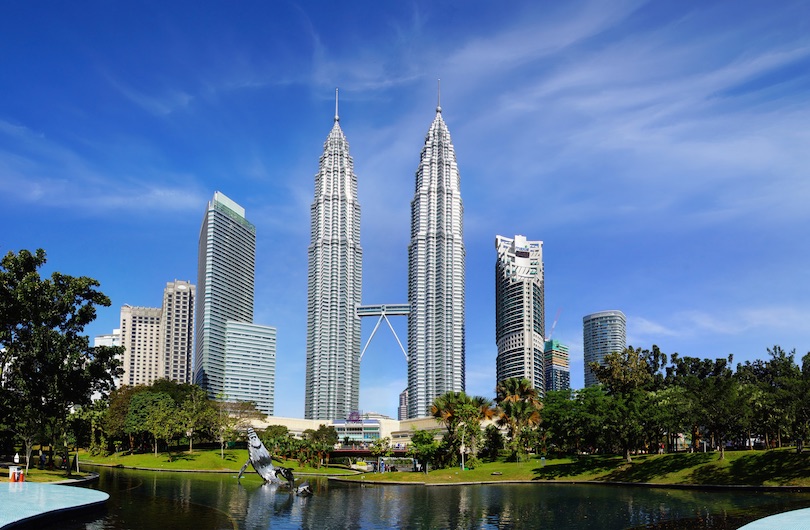
The Petronas Twin Towers in Kuala Lumpur were the world’s tallest buildings before being surpassed in 2004 by Taipei 101. However, the towers are still the tallest twin buildings in the world. The 88-floor towers are constructed largely of reinforced concrete, with a steel and glass facade designed to resemble motifs found in Islamic art, a reflection of Malaysia’s Muslim religion. The Petronas Twin Towers feature a sky bridge between the two towers on the 41st and 42nd floors.
5. Taman Negara
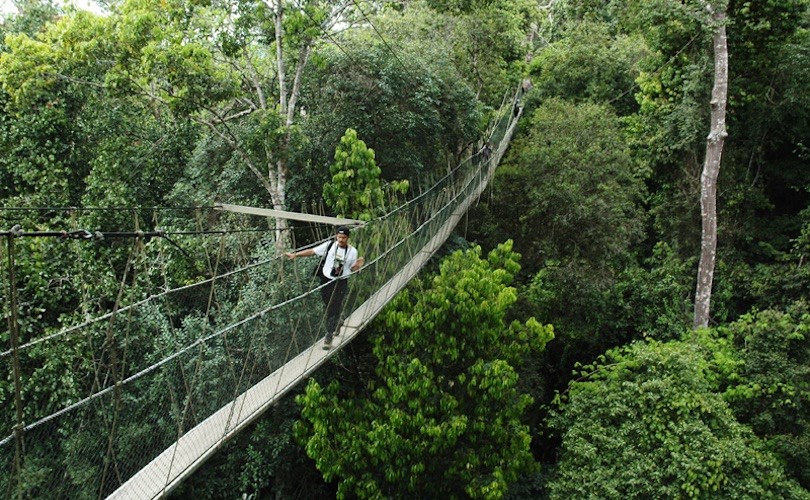
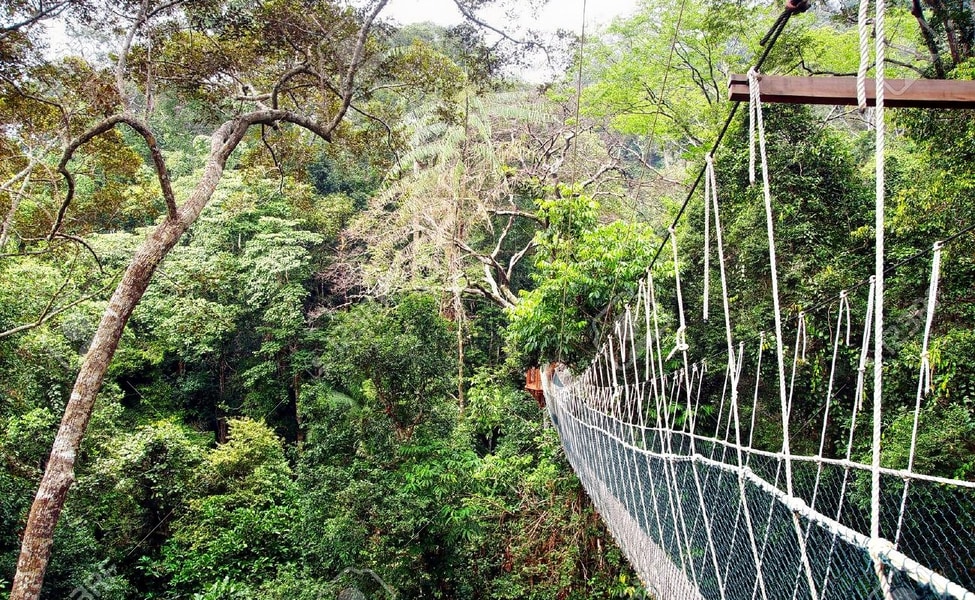
Taman Negara, which literally means “national park” in Malay, is one of the oldest tropical rain forest in the world. It features massive trees, waterfalls, jungle treks of various duration and the world’s longest canopy walkways. Several trails enable the visitor to explore the forest without a guide. Taman Negara is a haven for endangered species such as the Asian elephant, tigers, leopards and rhinos, but numbers are low and sightings are very rare. It’s unlikely that you will see anything more than birds, small deer, lizards, snakes and perhaps a tapir.
6. Georgetown Inner City
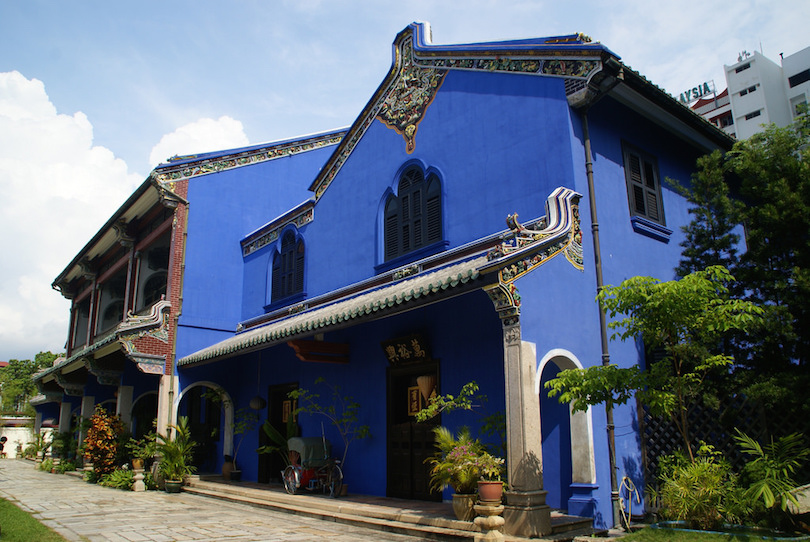
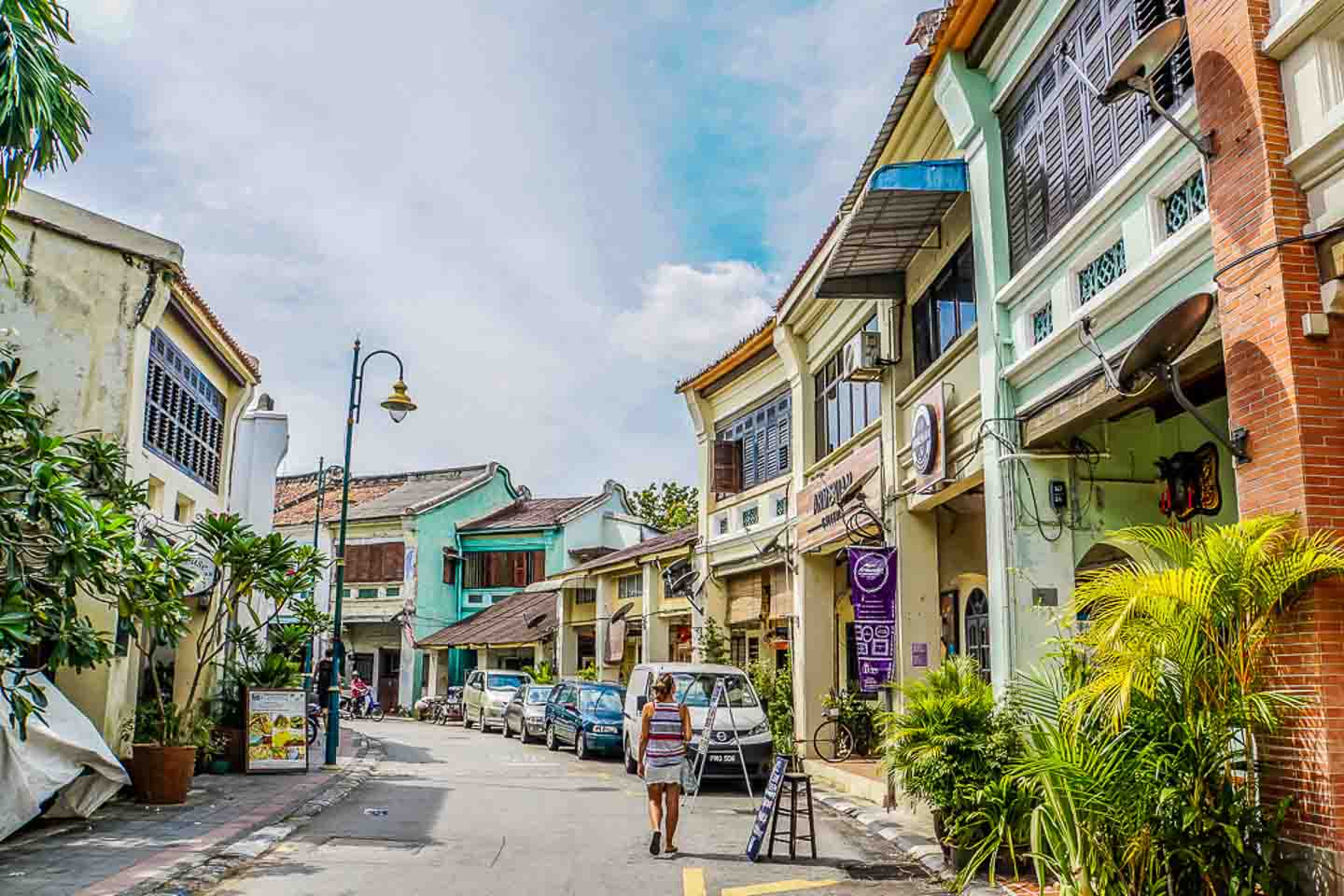
Named after Britain’s King George III, Georgetown is located on the north-east corner of Penang Island. Most of George Town’s population is of Chinese origin. Due to strict controls, George Town retains many of its colonial-era shophouses to this day. It is officially recognized as having a unique architectural and cultural townscape without parallel anywhere in Southeast Asia. The town truly springs to life in the evenings, when most of the locals head to the nearby street hawkers to have their meals and drinks.
7. Cameron Highlands
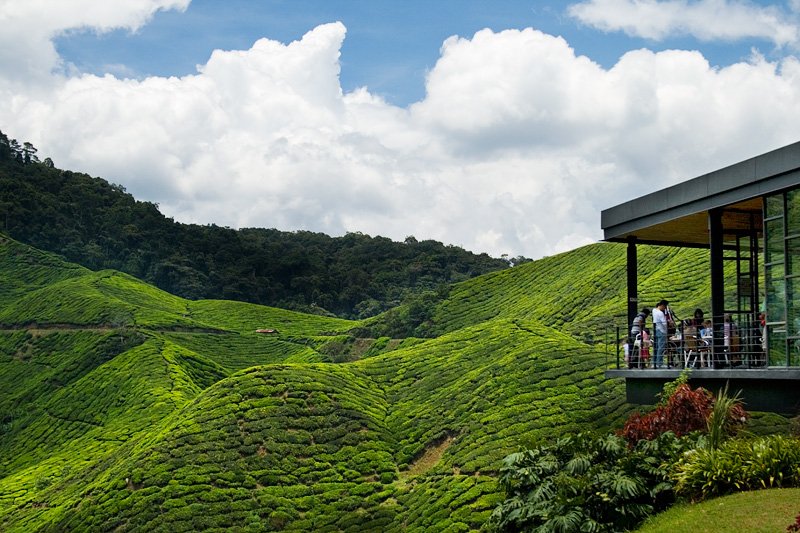
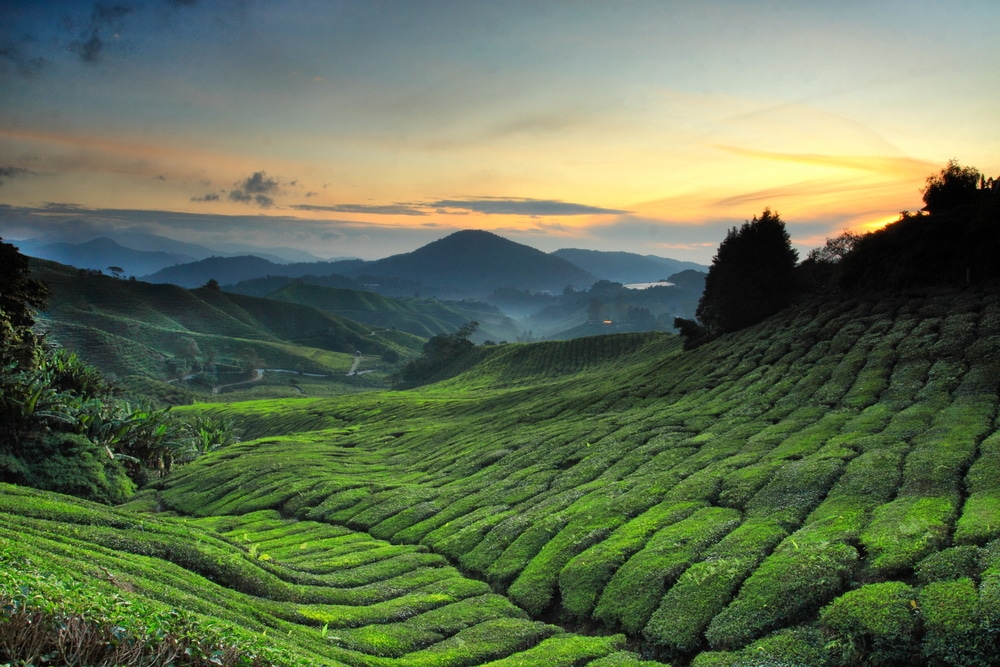
The Cameron Highlands is one of Malaysia’s most extensive hill stations, first developed by the British in the 1920s. It has a population of more than 34,000 people consisting of Malays, Chinese, Indians and other ethnic groups. The Cameron Highlands is renowned for its trails. They lead visitors through the forest to waterfalls and other tranquil spots. Apart from its jungle walks, the sanctuary is also known for its tea plantations and visitors can book several “tea factory” tours.
8. Sipadan
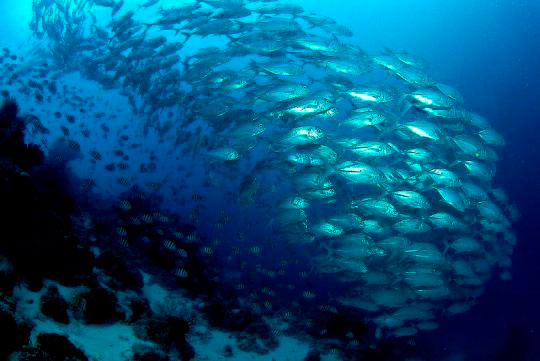
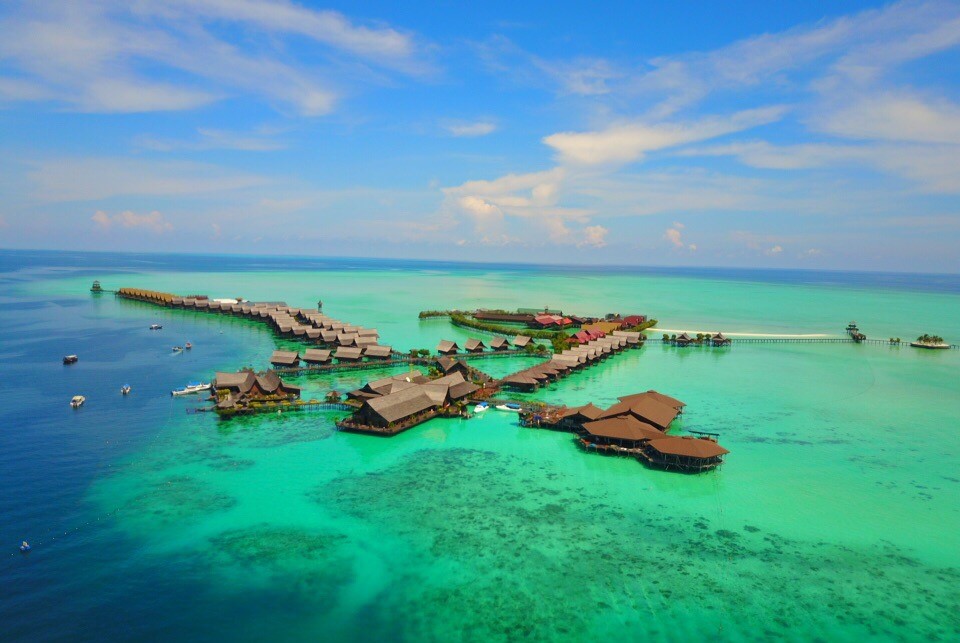
Sipadan, in the Celebes Sea, is a diver’s paradise. Malaysia’s only oceanic island, Sipadan was formed by living coral atop an extinct volcano cone. Because of rich marine life, it’s one of the best diving spots in the world. Sipadan has more than 3,000 species of fish and hundreds of different corals, all waiting to be explored. Divers may come across hawksbill and green turtles, manta rays, schools of barracudas and whale sharks. The island also has nice sandy beaches.
9. Kinabatangan River
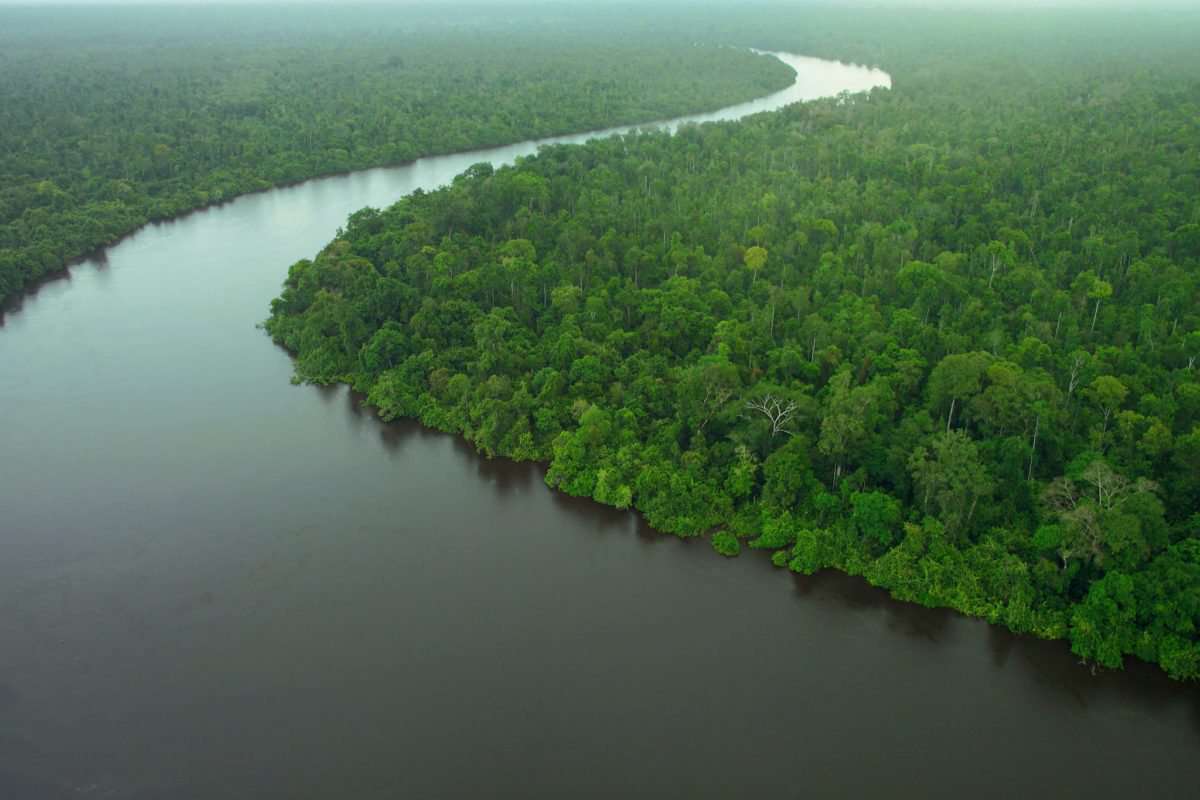
Kinabatangan River is the second longest river in Malaysia, stretching nearly 550 km (350 miles) from the mountains to Sulu Sea. Located in Sabah state on Borneo, the Kinabatangan River is known for its diverse wildlife and vegetation. It’s a good place to see Asian elephants, crocodiles, proboscis monkeys and Bornean orangutans – it’s one of two places in the world to find 10 species of primates, as well as 200 bird species. It’s known, too, for rain- and limestone forests, and salt and freshwater swamps.

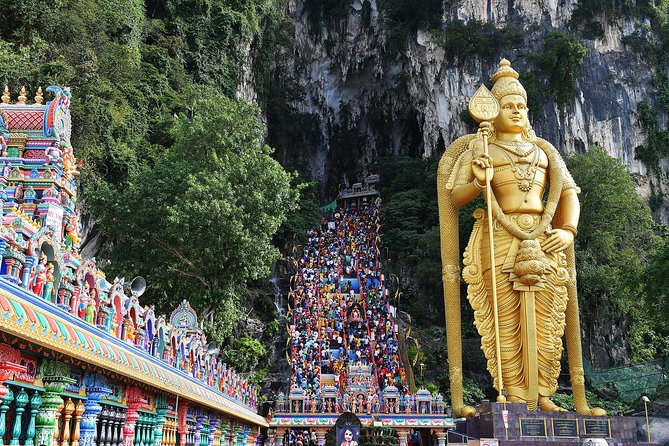
10. Batu Caves
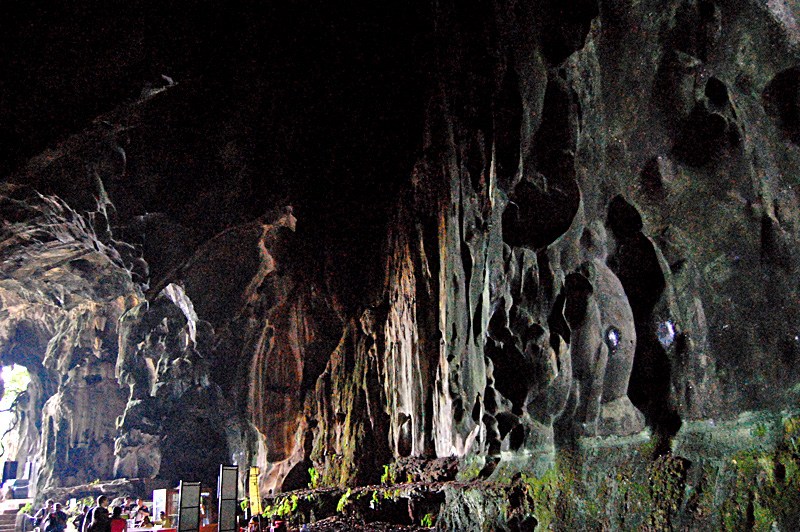
Travelers who make their way to Batu Caves near Kuala Lumpur will be rewarded with some pretty awesome Hindu art. The three main caves that make up Batu Caves make it the most popular Hindu shrine outside of India, and attract thousands of worshippers at Thaipusam, an annual Hindu festival. The highlight of the site is a giant statue of a Hindu god, reached by climbing 272 steps to the Cathedral Cave. Monkeys also enjoy the site and can be seen playing there.
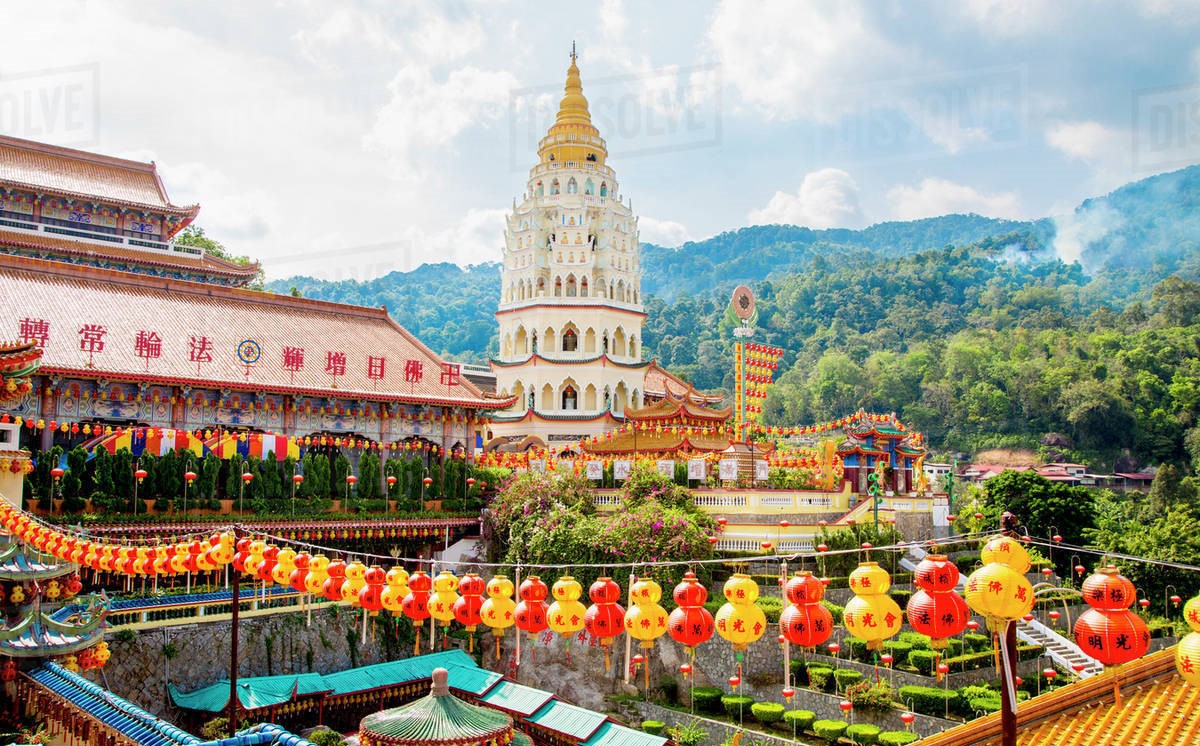
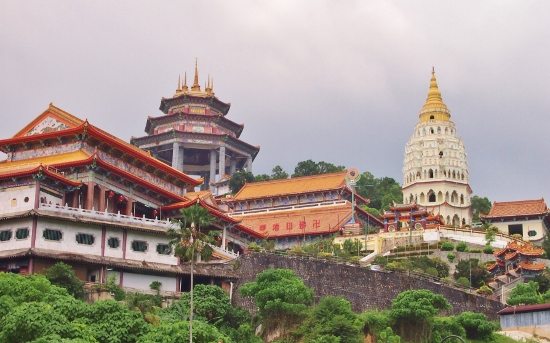
11. Kek Lok Si Temple
As temples go, Kek Lok Si Temple at Penang is a relatively new temple, dating back only to 1891. Despite its youth, it is one of the most important Chinese Buddhist temples in Southeast Asia. The Temple of Supreme Bliss, as it’s also known as, is an impressive sight, with countless images of Buddha another Buddhist icons and gods. It is the largest Buddhist temple in Malaysia and draws pilgrims from throughout Southeast Asia. The main highlight of the complex is the Temple of Rama IV with its 10,000 Buddha carvings.
12. Genting Heights
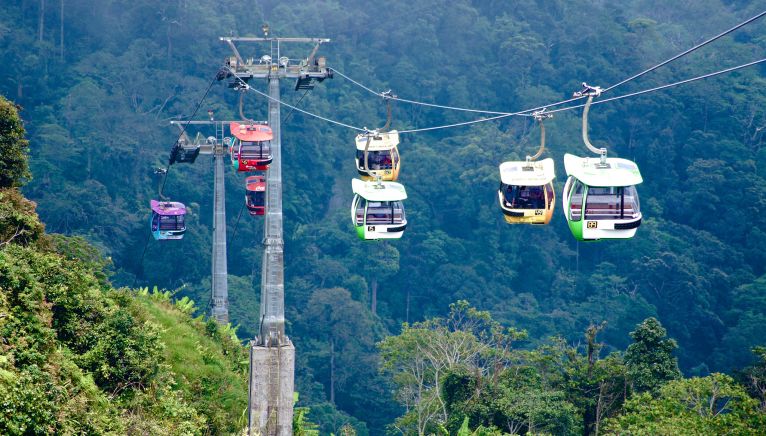
Genting Highlands is a high-altitude hill resort in Malaysia, situated in the Titiwangsa Mountains northeast of Kuala Lumpur. Developed since the 1960s, the site comprises hotels, a shopping mall, restaurants and the Casino de Genting. Its Chin Swee Caves Temple sits on forested acreage with mountain views. Genting Skyway, a cable car, connects the resort with the plateau town Gohtong Jaya.

13. Gunung Gading National Park
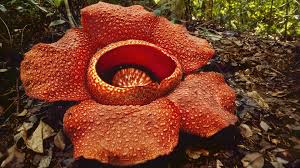
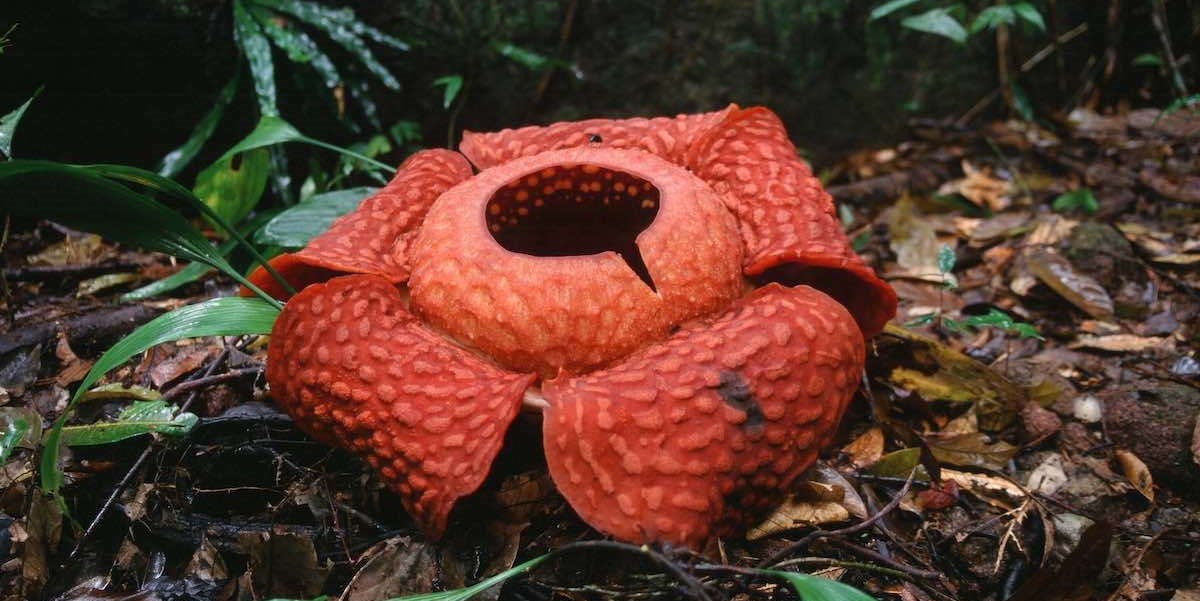
Wannabe botanists likely will enjoy a visit to Gunung Gading National Park where the world’s largest flower grows. Rafflesia blooms can grow up to three feet in diameter, and have a nasty smell. The blooms die after a few days; the good news is they can bloom anytime of the year, though the best time is November through January. But there’s more to see than just one flower. The Sarawak park has nice beaches, rugged mountains and jungles just made for hiking.

Tourit Tourism and Travels
To book your memorable tour to Malaysia, please contact us for our expert to customise and guide you as per your requirements.
Contact Us On: